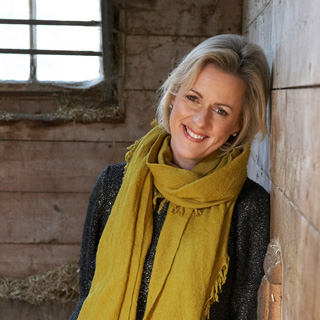
Jojo Moyes: Writing Love Stories
Ready to write a love story for the ages? Learn to create an epic love story that your readers can’t help but fall for with the irrefutable Maestro of romance. […] Read More
Ready to write a love story for the ages? Learn to create an epic love story that your readers can’t help but fall for with the irrefutable Maestro of romance. […] Read More
Like the rest of us, Lou Clark is locked down. JoJo Moyes revisits the beloved character from her Me Before You trilogy exclusively for Penguin.co.uk. Read the full piece on […] Read More

The wait is over! We’re delighted to be able to share the first trailer for the film adaptation of Jojo Moyes’ international bestseller Me Before You, starring Sam Claflin (The […] Read More
Very exciting news – Jojo has revealed the UK cover for After You on Twitter. After You, the sequel to the international bestseller Me Before You, will be published in […] Read More
I haven’t posted much in the way of book recommendations for a while (mostly because I’ve had so little time to read) but I just thought instead of a one […] Read More
We are delighted to announce that Jojo has a brand new book coming out this Autumn. After You is the sequel to Me Before You, which has sold more than five million copies […] Read More
We’re delighted to announce that The One Plus One, has been shortlisted in the Best Fiction of 2014 category for the Goodreads Choice Awards 2014. The opening round of voting is now […] Read More
I haven’t written a book blog for ages, mostly for time reasons (I’m on a very tight book deadline; all my own fault, and working on two film adaptations of […] Read More
They tell good tales in Nashville. This morning I spent at Ingram, one of the biggest book publishers and distributors in the US, giving a talk to its staff, […] Read More
It is 7.39am. I am sitting in San Francisco Airport waiting for a shuttle to Atlanta. I have just tipped my breakfast fruit salad over my lap, I have left […] Read More